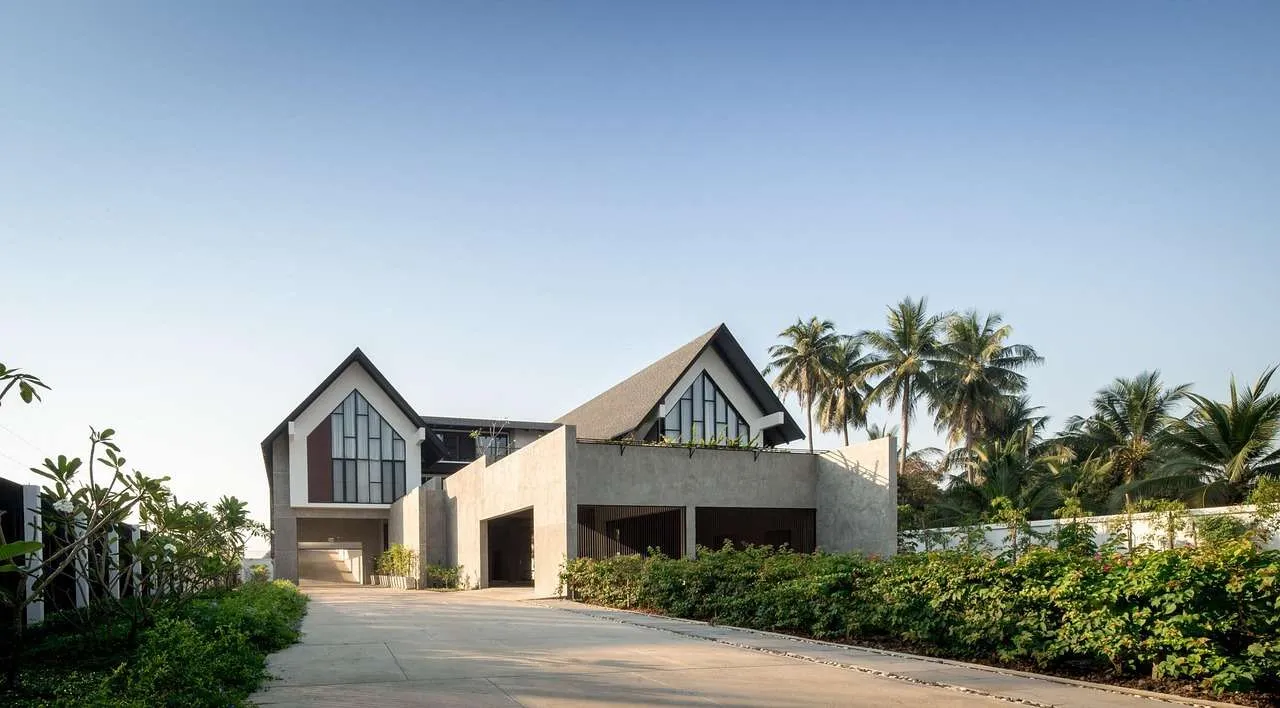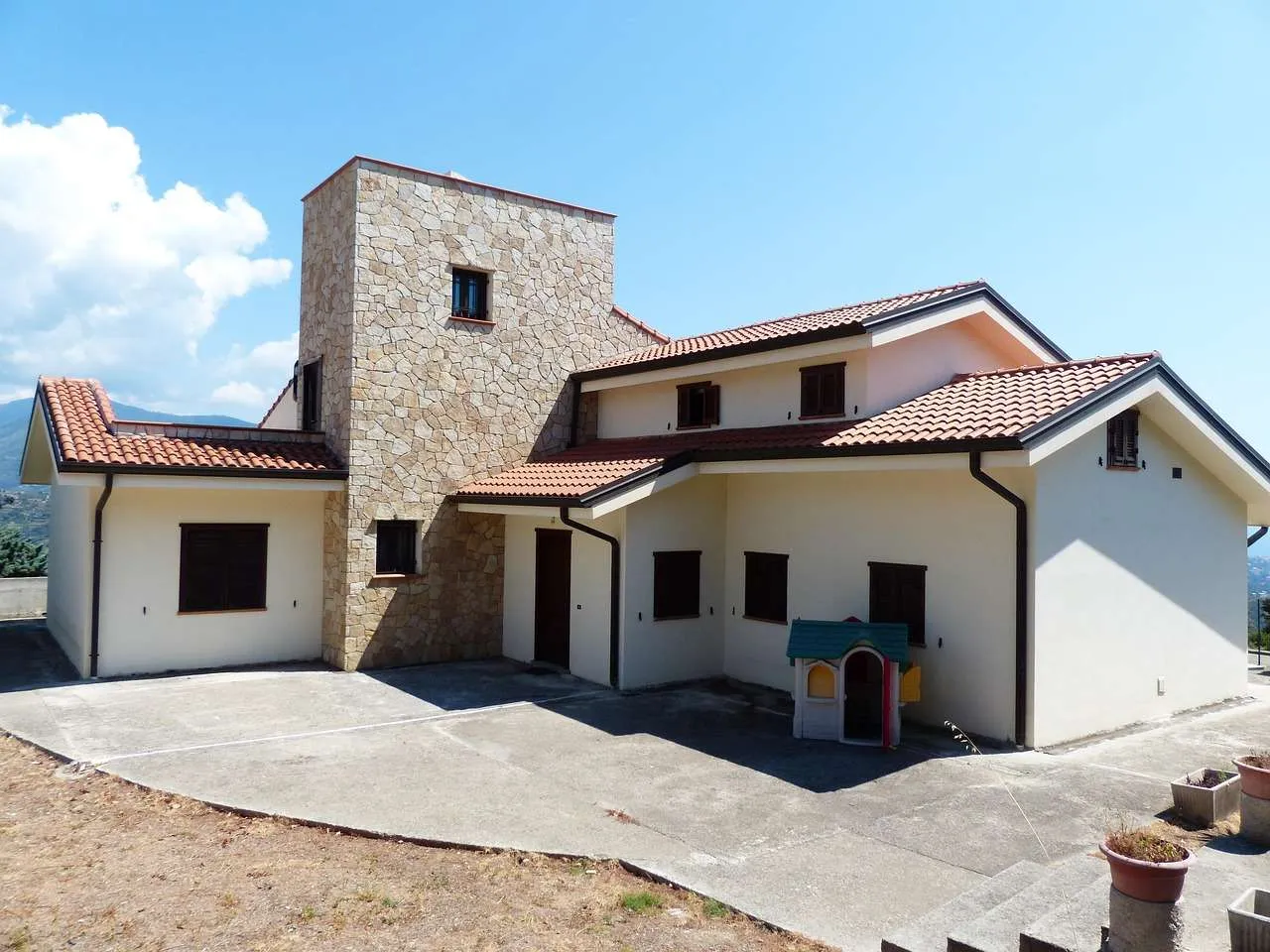
With more than a decade in the roofing industry, I understand the core concerns homeowners face when their roof leaks or shows wear. Roofing and roof repairs are essential for protecting your home from water intrusion, mold, and structural damage. This guide focuses on practical, evidence-based steps to assess issues, plan repairs, and choose a reputable contractor who upholds safety, warranties, and local regulations. The goal is to empower you to make informed decisions that preserve value and comfort while aligning with professional standards.
Understanding common roofing issues
Roofs fail for several reasons: weather damage, aging, improper installation, and insufficient maintenance. Common signs include missing or curled shingles, curling edges, exposed nails, granule loss in asphalt shingles, damaged or deteriorated flashing around chimneys and vents, and attic moisture stains. Ice dams in colder climates can force water under shingles, creating hidden damage. Regular inspections by a qualified professional help detect hidden problems early and prevent small issues from becoming major repairs.
Safety and inspection: how to assess from the attic and from ground
Never climb onto a wet or unstable roof without proper safety gear. Begin with a thorough visual inspection from the attic or a safe outdoor vantage point. Look for daylight through the sheathing, damp spots, or new stains after rain. From the exterior, check for loose flashing, damaged shingles, and clogged gutters. Document findings with photos and keep records for warranty and insurance claims. If you notice active leaks or extensive damage, contact a licensed roofer promptly. A professional evaluation also ensures compliance with local codes and proper installation standards.
Repair vs replacement: how to decide
Small, localized damage can often be repaired, while widespread deterioration or an aging roof beyond its expected life may justify replacement. Consider these factors:
- Age of the roof: most asphalt roofs last 20–30 years; older roofs may require replacement rather than repeated repairs.
- Extent of damage: leaks spanning multiple bays or interior staining often indicate more extensive problems.
- Cost and warranty: compare the long-term cost of repairs with a new roof and review material warranties.
- Impact on home value and energy efficiency: a new roof can improve insulation and curb appeal.
Choosing a roofing contractor
Select a contractor who is licensed, insured, and provides written estimates with itemized costs, scope of work, and a timeline. Verify references, review past projects, and confirm that the company uses proper flashing details and weather-rated materials. Request a written warranty covering workmanship and materials, and ensure permits are handled by the contractor. Obtaining multiple quotes helps ensure fair pricing and honest assessments.
Cost considerations and maintenance tips
Costs vary by material, roof size, access, and location. Typical ranges for common projects are summarized below, along with maintenance steps that extend roof life.
| Project type | Repair | Replacement | Typical cost range |
|---|---|---|---|
| Minor leak or shingle repair | $300–$1,200 | — | $300–$1,200 |
| Extensive damage (local area) | $1,200–$2,500 | — | $1,200–$2,500 |
| Full roof replacement | — | $5,000–$15,000+ | $5,000–$15,000 |
| Maintenance/inspection | Recommended yearly | — | $100–$300 per visit |
Maintenance tips to extend life include keeping gutters clean, trimming overhanging branches, ensuring proper attic ventilation, and addressing moisture intrusion promptly. Use durable underlayment and proper flashing details to improve durability and energy efficiency. A proactive maintenance plan reduces emergency repairs and can extend the life of your roof by years.
Summary
Summary: Roofing and roof repairs require timely detection, professional execution, and thoughtful planning. Prioritize licensed contractors, accurate estimates, and durable materials to protect your home, while recognizing when replacement offers better long-term value. Regular maintenance and prompt leak repair preserve safety, comfort, and property value.