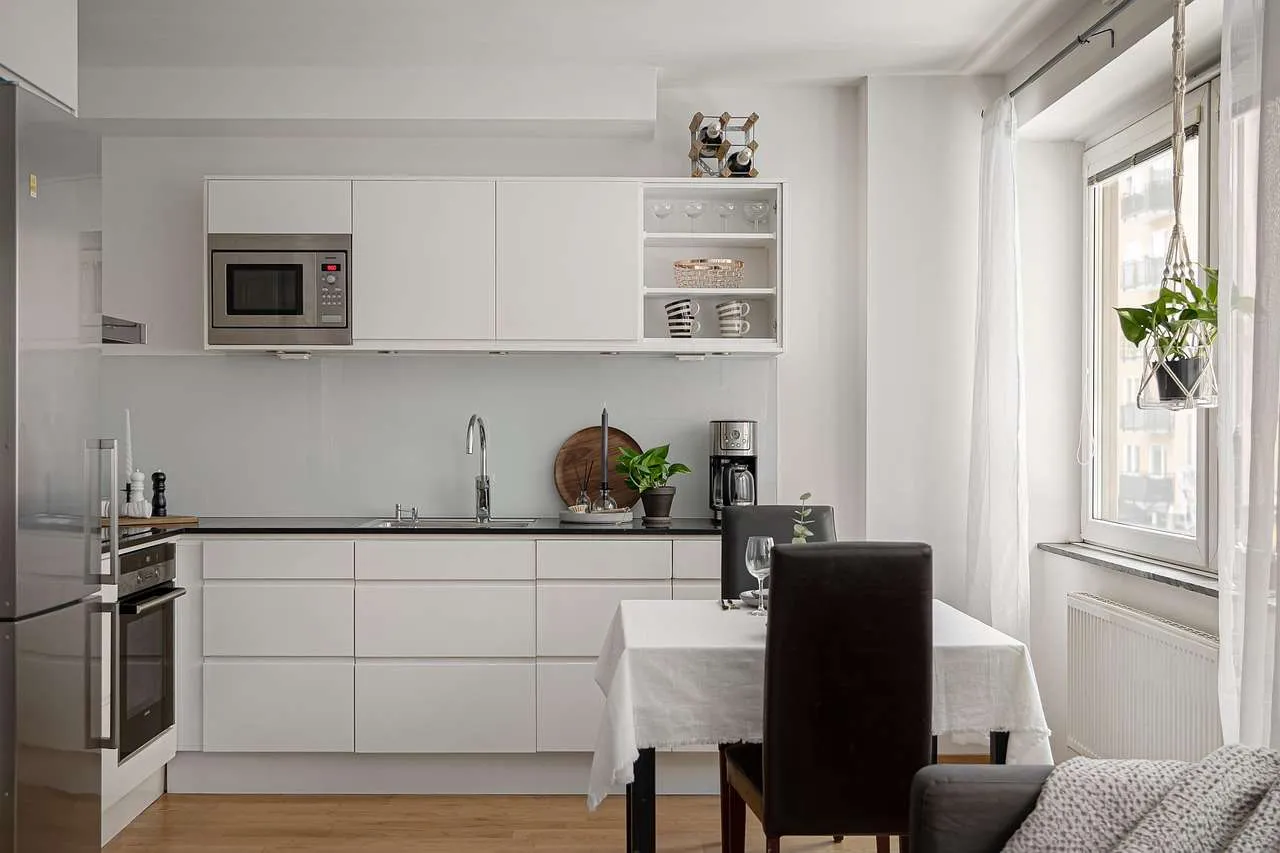
Home window tinting is the application of a thin film to the interior surface of your home's windows. This film helps control solar heat, reduces glare, blocks harmful UV rays, and increases privacy. For homeowners, choosing the right tint involves understanding film types, installation options, costs, and local regulations. This guide provides clear, practical insights to help you improve comfort, protect furnishings, and save energy with residential window tinting.
What is Home Window Tinting?
Window tinting involves applying a film that can reflect, absorb, or filter sunlight before it enters a room. Most residential films are designed to block a significant portion of infrared heat and UV radiation, while preserving natural light and visibility. The result is cooler indoor spaces, less glare on screens and surfaces, and slower fading of upholstery and art. Tinting can also enhance privacy without making rooms feel dark, especially when paired with smart lighting and thoughtful interior design.
Benefits of Residential Window Tinting
- Energy savings: By blocking heat from the sun, tinting lowers cooling loads in summer and can reduce overall energy bills.
- UV protection: Most films filter up to 99% of UV rays, protecting furniture, flooring, and artwork from fading.
- Glare reduction: Tinting minimizes screen glare on TVs, computers, and dashboards, improving comfort and productivity.
- Privacy and security: Tinted windows offer daytime privacy and can deter break-ins by obscuring interior views.
- Interior comfort: With less heat gain, rooms stay more comfortable year-round, reducing hot spots near sunny windows.
Tint Options and Technologies
There are several film types, each with distinct performance and aesthetics. Understanding the differences helps you match your goals with the right option.
Dyed Films
Dyed films are an economical choice that provides glare reduction and privacy. They darken over time and are less effective at heat rejection compared with metalized or ceramic films. For homes on a tight budget, dyed films offer a quick upgrade to comfort and privacy.
Metalized Films
Metalized films incorporate thin metallic layers that reflect solar energy. They excel at heat rejection and can add strength to the glass. However, they may interfere with certain electronic signals and require professional installation to avoid adhesive issues.
Ceramic and Carbon Films
Ceramic films use non-conductive particles to block heat and UV without affecting visibility or electronics. They tend to be more durable, resist fading, and maintain a natural appearance. Carbon films offer a matte finish and good heat rejection without metallic interference.
Energy Efficiency and Comfort
Installing the right tint can improve energy efficiency, particularly in warm climates or sun-exposed rooms. By reducing heat gain, you lessen air conditioner operating hours and maintain more even indoor temperatures. High-quality ceramic or carbon films typically provide superior heat rejection while preserving daylight and color accuracy, which supports comfortable living spaces without resorting to heavy drapes.
Regulations, Privacy, and Aesthetics
Before purchasing, verify local regulations for residential tinting. Some jurisdictions limit darkness levels on street-facing windows or require certain reflectivity values for safety reasons. Aesthetics are equally important; you want a film that complements your home’s exterior while delivering the desired privacy. A reputable installer can show samples on your windows to help you select the right shade and finish.
DIY vs Professional Installation
DIY tinting can be feasible for small projects with simple windows, but professional installation offers significant benefits for most homes. Professionals ensure corner edges are sealed, bubbles are minimized, and the film adheres properly to curved or multi-pane glass. They also help with measurement accuracy, alignment, and safety considerations. If your windows include energy-efficient or low-emissivity coatings, consult the manufacturer’s guidelines to avoid voiding warranties.
Basic DIY steps (for educational purposes): measure the glass, cut the film with a slight oversize, clean the glass thoroughly, spray the adhesive side with a slip solution, apply film from top to bottom, and squeegee out bubbles. Precision and patience are essential, and mistakes can be costly if rework is required.
Cost, Maintenance, and Longevity
Costs vary by film type, window size, and installation method. DIY tinting tends to be the least expensive option, but professional installation typically yields a longer-lasting finish with a cleaner look and a warranty. You can expect price ranges per square foot to vary from budget to premium films. Maintenance is straightforward: wipe with a soft cloth and a non-abrasive cleaner, avoiding ammonia-based products that can degrade certain films. Regular inspection ensures edges stay sealed and the film abates discoloration or peeling over time.
Comparison: DIY Tint vs Professional Installation
| Aspect | DIY Tint | Professional Installation |
|---|---|---|
| Upfront cost | Lower for small projects | Higher but cost-effective per window due to efficiency |
| Warranty | Often limited or none | Typically includes manufacturer and workmanship warranties |
| Finish quality | Better with experience; risk of bubbles/edges | Consistently clean, precise edges, uniform tint |
| Time and labor | Longer and labor-intensive for many windows | Faster for multiple windows; faster overall project timeline |
| Durability and longevity | Depends on technique and care | Higher likelihood of long-term performance |
How to Choose a Window Tint Provider
When selecting a provider, look for licensed, insured installers with a track record of residential projects. Request written estimates, ask about film brands, warranty terms, and after-sale support. Read customer reviews and ask for before-and-after photos. A transparent professional will explain the expected performance, the appropriate tint level for each window, and any local restrictions you must follow.
Conclusion
Conclusion, home window tinting offers meaningful benefits for comfort, energy efficiency, and protection from UV damage. By understanding the different film technologies, you can select a tint that balances heat rejection, daylight, and privacy. Decide between DIY and professional installation based on your window complexity, budget, and willingness to manage the process. Always verify local regulations and choose a reputable installer to ensure a durable finish and reliable warranty. With the right approach, residential window tinting can transform living spaces while preserving their aesthetic appeal.